

What Is an Ignition Interlock Device? Stay Informed and Safe.
Ever thought about how tech stops drunk driving and saves lives? An ignition interlock device (IID) is a key safety tool. It stops people who are drunk from driving cars.
The car breathalyzer device is a big help in fighting DUI cases in the U.S. It’s a smart way to make sure drivers are sober before they drive.
Ignition interlock devices are smart safety tools put in cars. Drivers must blow into a sensor to show they’re not drunk. This stops drunk driving right away.
Key Takeaways
- Ignition interlock devices prevent drunk driving by requiring a breath test before vehicle operation
- These devices are mandatory in many states for DUI offenders
- IIDs significantly reduce repeat drunk driving incidents
- Technology provides real-time alcohol detection for enhanced road safety
- Devices help individuals maintain driving privileges after DUI violations
What Is an Ignition Interlock Device?
Ignition interlock devices help stop drunk driving and keep roads safe. They are like smart breathalyzers that stop cars from starting if alcohol is found. This helps protect drivers and everyone on the road.
These devices connect to a car’s start system. They make it hard for drivers to start a car if they’ve had too much to drink. Knowing how they work is important for safety and legal reasons.
Definition and Purpose
An ignition interlock device is like a breathalyzer for cars. It checks if you’ve had alcohol before you can start the car. It has special features like:
- Breath analysis before vehicle activation
- Blood alcohol concentration (BAC) threshold testing
- Automatic vehicle immobilization if alcohol is detected
Common Uses
These devices are used in many ways:
- Mandatory installation for DUI offenders
- Court-ordered rehabilitation programs
- Voluntary safety measures for high-risk drivers
Rules about these devices vary by state. Some states make you install one after a first offense. Others need more offenses. They help stop drunk driving from happening again.
Understanding ignition interlock devices helps people follow the law and drive safely.
How Does an Ignition Interlock Device Work?
Ignition interlock devices stop drunk driving by checking breath alcohol levels. They are key in cutting down DUIs and making roads safer.
These devices work by a detailed process to find and stop alcohol. Knowing how they work is important.
Breath Analysis Process
When you try to start your car, the device asks for a breath sample. It checks your blood alcohol level with special sensors. Here’s what happens:
- Blowing into the device’s mouthpiece
- Waiting for digital confirmation
- Receiving a pass or fail result
Alcohol Detection Technology
Today’s ignition interlock devices use advanced sensors to find alcohol. These sensors are very good at spotting alcohol and ignoring other things.
| Detection Feature | Technical Specification |
|---|---|
| Sensor Type | Electrochemical Fuel Cell |
| Alcohol Threshold | 0.02% BAC |
| Response Time | Less than 3 seconds |
| Accuracy Rate | 99.5% |
DUI interlock rules need exact measurements and reports. These devices stop cars from starting. They also check for alcohol while driving.
Legal Requirements for Ignition Interlock Devices
Understanding ignition interlock devices (IIDs) can be hard. Laws about IIDs change a lot from state to state. Knowing these rules is key to keep driving.
DUI laws for driving licenses are different everywhere. The rules for when you need an ignition lock depend on:
- Blood alcohol concentration (BAC) at time of arrest
- Number of previous DUI convictions
- Specific state jurisdiction requirements
- Severity of the driving offense
State-Specific Compliance Requirements
Every state has its own rules for IIDs. Some states make you install one after your first DUI. Others wait until you’ve had more DUIs.
How long you have to use the device can be from a few months to years.
| Offense Level | Typical IID Requirement | Minimum Duration |
|---|---|---|
| First-Time DUI | Potential Mandatory Installation | 6-12 Months |
| Repeat Offense | Mandatory Installation | 1-3 Years |
| Aggravated DUI | Extended IID Requirement | 3-5 Years |
Installation and Monitoring Guidelines
If you need an IID, you must use certified providers. They make sure it’s installed right and working well. You’ll need to:
- Get the device installed by a pro
- Go for regular checks
- Report your breath test results
- Keep the device in good shape
If you don’t follow the IID laws, you could face more penalties. This includes longer driving bans, extra fines, or losing your license. It’s very important to follow these rules to get your driving rights back.
Benefits of Using an Ignition Interlock Device
Ignition interlock devices are key in keeping roads safe from drunk driving. They are smart DUI car locks that protect drivers and everyone else.
Using an ignition interlock device helps stop bad driving and encourages good behavior.
Preventing DUI Incidents
These devices cut down on drunk driving accidents a lot. They stop drivers from getting in cars when they’ve had too much to drink by:
- Requiring breath tests before starting the car
- Checking for alcohol during driving
- Reporting any problems right away
Reducing Recidivism Rates
Ignition interlock programs really help people not drive drunk again. Studies show a big drop in drunk driving among those who use them.
| Program Type | Recidivism Reduction |
|---|---|
| Standard Interlock Program | 45-65% |
| Comprehensive Monitoring | 70-85% |
These devices use technology and make drivers take responsibility. This stops them from driving dangerously again.
Who Needs an Ignition Interlock Device?
Ignition interlock devices (IIDs) help stop drunk driving. They are needed by people who have driven under the influence (DUI).
The rules for needing an ignition interlock device vary. This depends on how serious the DUI was and the driver’s past. Each place has its own rules about who must use these devices.
First-Time Offenders
First-time DUI offenders might need to use an ignition interlock device. They usually have to:
- Use the device for 6-12 months
- Follow court programs
- Get the device checked often
Repeat Offenders
People with more DUIs face tougher rules. Repeat offenders often have to:
- Use the device for a longer time
- Be watched more closely
- Face harsher penalties
Courts set these rules to keep everyone safe. The exact rules can change based on the state and the case.
| Offense Type | Typical IID Duration | Additional Requirements |
|---|---|---|
| First-Time DUI | 6-12 months | Mandatory education program |
| Second DUI | 1-3 years | Intensive monitoring |
| Third DUI | 3-5 years | Potential license revocation |
Knowing these rules is key for those dealing with DUI consequences.
Installation Process of an Ignition Interlock Device
Drivers facing DUI charges must install an ignition interlock device (IID). Knowing how to install it is key. It ensures you follow the rules and use the safety tech right.

Choosing a Certified Provider
Finding a good provider is important for cost and device work. Drivers should:
- Look for state-approved IID vendors
- Make sure the provider is certified
- Check how well the provider is liked by customers
- Compare prices for installation
Device Installation Steps
Understanding how to use ignition interlock devices is important. The steps for installation are:
- Check the vehicle
- Mount the device near the steering column
- Connect the wiring to the car’s electrical system
- Do calibration and testing
- Teach the driver how to use it
Installing the device usually takes 1-2 hours. Experts make sure it works well with the car’s system. This ensures accurate breath tests.
Pro tip: Always keep your IID installation receipts and documents. They are important for legal and insurance reasons.
Cost of an Ignition Interlock Device
Knowing how much an ignition interlock device costs is key. It’s a big deal for drivers who must install one. The cost can be a big hit for those facing drunk driving penalties.
Looking into the cost of an interlock device shows important things to think about.
Installation Expenses
The first cost to install an IID is between $70 and $150. This price covers the pro setup and start in your car.
- Professional installation at certified service centers
- Initial device setup and calibration
- Vehicle-specific mounting requirements
Monthly Maintenance Costs
There are ongoing costs to think about. Monthly fees are $60 to $100. They cover checking and adjusting the device.
| Cost Category | Typical Price Range | Included Services |
|---|---|---|
| Initial Installation | $70 – $150 | Device mounting, initial setup |
| Monthly Maintenance | $60 – $100 | Device monitoring, calibration |
| Additional Possible Fees | $20 – $50 | Violation reset, extra calibrations |
Note: Costs can change based on where you live and your legal needs.
Some places offer help with costs or payment plans. Drivers should talk to local officials or lawyers to see if they can get help.
Maintenance and Calibration of Ignition Interlock Devices
Keeping ignition interlock devices in good shape is key. It makes sure DUI alcohol monitoring works right. It also keeps you legal.
Calibration is important for the device’s accuracy. To stay legal, you must follow certain rules for maintenance.
Critical Maintenance Requirements
- Schedule calibration every 30-60 days
- Maintain accurate breath sample records
- Report device performance to authorized agencies
- Keep detailed maintenance logs
Calibration Process Details
| Maintenance Task | Frequency | Purpose |
|---|---|---|
| Device Calibration | Every 30-60 days | Ensure measurement accuracy |
| Electronic System Check | During each calibration | Verify technical functionality |
| Reporting Submission | After each calibration | Maintain legal compliance |
Not calibrating can lead to device shutdown or legal trouble. It’s important to take care of your ignition interlock device. This keeps you in line with court rules.
Reporting Protocols
Most places need detailed reports on device performance and maintenance. These reports show your progress. They help keep you in line with DUI monitoring rules.
Consequences of Tampering with the Device
Tampering with an ignition interlock device (IID) is a big no-no. It’s a serious crime that can lead to harsh penalties. Drivers who try to cheat the system face big troubles that go beyond the first DUI charge.
The law is very strict about IID tampering. If someone messes with an ignition lock DUI penalty device, they might get:
- More time with the IID
- Big fines
- Time in jail
- Longer license suspension
Legal Penalties for Device Interference
Courts see tampering as a big challenge to safety rules. Penalties can change by state. But usually, you’ll get:
- More months with the IID
- Bigger fines
- Crime charges
Impact on License Renewal
Tampering with an IID makes getting your license back hard. You might face:
- License taken away
- Court hearings
- Alcohol classes
- Driving limits forever
The smart thing to do is follow IID rules. Trying to cheat only makes things worse legally and personally.
Ignition Interlock Devices and Insurance
After a DUI, dealing with insurance can be tough. If you have to install a DUI car lock, knowing how it affects your insurance is key. A DUI conviction with an ignition interlock device can change your insurance a lot.
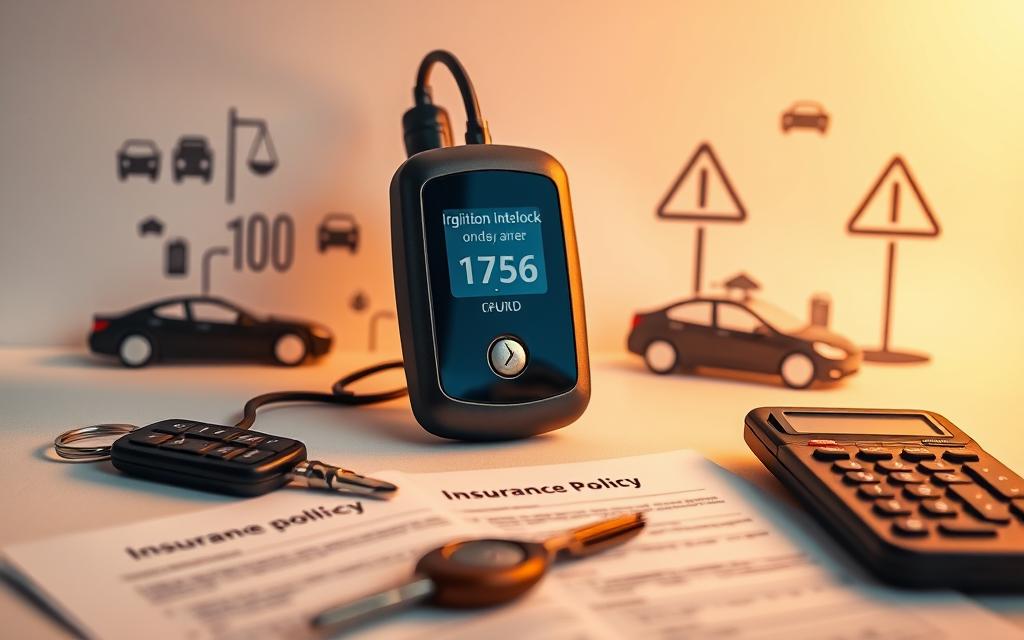
Insurance companies see drivers with a DUI license differently. They know you have an ignition interlock device. This makes them think you’re a higher-risk driver.
This thinking can lead to a few big insurance issues:
- Potential increase in insurance premiums
- Mandatory SR-22 insurance filing
- Specialized high-risk insurance requirements
Effect on Auto Insurance Rates
After a DUI, your insurance rates might change a lot. Insurers could:
- Raise annual premiums by 30-80%
- Require additional documentation
- Implement stricter monitoring
Insurance Requirements for Installation
Many states need specific insurance papers for an ignition interlock device. The SR-22 form is very important. It shows you have the minimum insurance needed.
Drivers should talk to their insurance about the ignition interlock device. Some insurers offer special programs or discounts for safe driving after a DUI.
Alternatives to Ignition Interlock Devices
When facing DUI probation tools, people might have other choices. Each place has its own way to deal with alcohol and driving. This gives many paths for getting back on track legally and personally.
DUI rules can be tricky. But, there are other ways to show you’re responsible and legal:
- Intensive Probation Supervision – Close watching without a device
- House arrest with electronic tracking
- Community service programs
- Mandatory alcohol education classes
Alternative Sentencing Programs
Courts know that one rule doesn’t fit all. They offer special programs for different needs. These focus on helping you get better, not just punishing you.
- Reduced driving privileges
- Work release programs
- Restricted driving zones
Alcohol Treatment Programs
Alcohol treatment programs are key alternatives. They usually include:
- Counseling sessions
- Group therapy
- Substance abuse assessments
- Ongoing support networks
Finishing these programs might lessen DUI probation rules. It offers a better way to tackle alcohol issues.
User Experience with Ignition Interlock Devices
Using an ignition interlock device (IID) is a big change for drivers. Knowing how to use it right helps keep your driving rights. It also makes sure you follow the law.

Life with an IID means making some big changes. You’ll need to do more before you can drive. You also have to keep up with the rules every day.
Daily Use Challenges
- Extra time needed for vehicle start-up procedures
- Managing periodic rolling retests while driving
- Keeping the device clean and functional
- Planning for possible social interactions
Common User Concerns
Following the rules with an IID can be tough. Many feel shy about the device in their car.
| User Concern | Potential Impact |
|---|---|
| Social Stigma | Potential embarrassment in professional or personal settings |
| Device Operation | Learning curve for proper testing and maintenance |
| Vehicle Reliability | Potential interruptions in daily transportation |
Even with these issues, ignition interlock devices are key for safe driving. If you’re patient and dedicated, you can meet your needs.
Practical Tips for IID Users
- Always keep the device charged
- Practice using the device in private
- Communicate openly with employers or colleagues if necessary
- Maintain a positive attitude toward rehabilitation
Getting good at using an ignition interlock device takes understanding, getting ready, and a drive to drive safely.
How to Find an Ignition Interlock Device Provider
Finding a good ignition interlock device (IID) provider is key for those who need them. Knowing how to find a certified provider is important. It helps you follow the law and install the IID correctly.
Looking for an IID installation service needs a smart plan. Drivers can use different ways to find a trusted provider. This meets their needs and legal rules.
Online Resources for IID Providers
Online sites are full of help for finding certified IID providers:
- State Department of Motor Vehicles (DMV) websites
- National IID manufacturer directories
- Court-approved provider lists
- State-specific offender program websites
Local Auto Service Centers
Local car shops are great for IID info and cost. Many are certified to install and fix IIDs.
| Provider Type | Pros | Considerations |
|---|---|---|
| Online Directories | Comprehensive listings | Verify state certification |
| Local Auto Centers | Immediate service | Check specialized IID experience |
| DMV Recommended Providers | Official approval | Guaranteed compliance |
When looking for IID providers, focus on those with:
- State certification
- Experienced technicians
- Clear prices
- Easy-to-find locations
Pro tip: Talk to several providers to compare costs and service. Then choose the best one.
Frequently Asked Questions about Ignition Interlock Devices
Understanding ignition interlock devices can be tough. This section answers common questions and clears up myths. It helps drivers know about DUI interlock rules and what an ignition interlock device is.
Clearing Up Common Misconceptions
Many drivers don’t get ignition interlock devices. Let’s clear up some big myths:
- Myth: Only repeat DUI offenders need an interlock device
Reality: First-time offenders might also need an IID. This is true for high blood alcohol levels or certain situations.
- Myth: Interlock devices are difficult to use
Today’s devices are easy to use. They fit well into daily driving.
Key Questions Answered
| Question | Answer |
|---|---|
| How long must I use an interlock device? | It depends on the state and the offense. It’s usually 6 months to 2 years. |
| What happens if I fail a breath test? | A failed test logs in the device. It can lead to legal trouble or longer use. |
| Can someone else drive my car? | Yes, but they must also pass the breath test. |
Additional Resources
For more info on interlock devices, check these places:
- National Highway Traffic Safety Administration (NHTSA)
- State Department of Motor Vehicles websites
- Local DUI legal help groups
Learning about DUI interlock rules can be hard. Always talk to a local lawyer for advice that fits your case.
Future Trends in Ignition Interlock Device Technology
The world of breath alcohol ignition devices is changing fast. New technologies are coming that will make roads safer and drivers more responsible. These advancements will make devices smarter and easier to use.
New tech is changing how we stop alcohol use in cars. The future of ignition interlock devices is very exciting. Many new ideas are on the way.
Breakthrough Alcohol Detection Advancements
New technologies will change breath alcohol ignition devices in big ways:
- Biometric Authentication: Advanced fingerprint and facial recognition to stop device tampering
- Artificial Intelligence Integration: Real-time driver behavior analysis
- Passive Sampling Technologies: Non-invasive alcohol detection methods
Mobile App Integration
Smart mobile apps are becoming key in stopping DUI. These apps will offer:
- Instant reporting and monitoring
- GPS tracking of device usage
- Seamless communication with legal authorities
The future of interlock devices looks bright. They will be smarter, easier to use, and more effective. As tech gets better, these devices will stop drunk driving even more.
Conclusion: The Importance of Ignition Interlock Devices
Ignition interlock devices are key in fighting drunk driving in the U.S. They use advanced tech to stop drunk driving. This helps keep everyone safe on the roads.
These devices help drivers stay safe. They also help the community by lowering drunk driving rates. This shows how important they are for safety.
Promoting Safer Roads
Using ignition interlock devices is smart. They help stop accidents and teach drivers to make better choices. As tech gets better, these devices will too.
Supporting Responsible Driving Practices
Ignition interlock devices are more than tech. They show we care about safety and personal responsibility. By using them, we make roads safer for all.