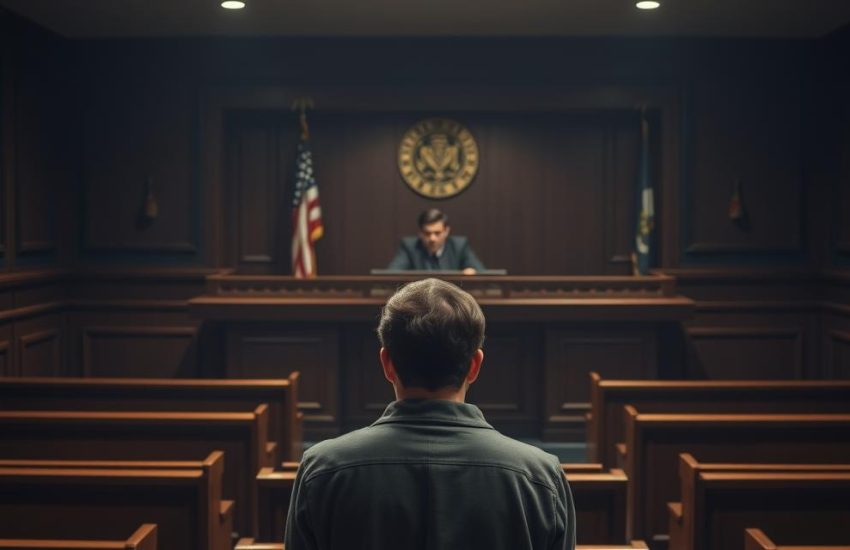

Public Defender vs. Private Attorney: Choosing the Right Representation
Table of Contents
ToggleIntroduction
Choosing the right legal representation can significantly impact the outcome of a case. Whether facing a minor infraction or a serious felony, the choice between a public defender and a private attorney is crucial. This article delves into the differences, pros, and cons of both options, helping you make an informed decision.
Understanding Legal Representation
Legal representation involves having an attorney or lawyer advocate on your behalf in legal proceedings. This representation is vital in navigating the complexities of the justice system, ensuring your rights are protected, and striving for the best possible outcome in your case.
Public Defender: An Overview
A public defender is a court-appointed attorney provided to defendants who cannot afford to hire a private attorney. Public defenders are employed by the government and are tasked with representing indigent defendants in criminal cases.
History and Evolution
The concept of public defenders dates back to the early 20th century, with the establishment of the first public defender’s office in Los Angeles in 1914. The system has since evolved to provide legal representation to those who lack the financial means, ensuring that justice is not solely available to those who can afford it.
Private Attorney: An Overview
A private attorney is a lawyer who is hired and paid directly by the client. Private attorneys can specialize in various areas of law and offer personalized legal services to their clients.
History and Evolution
Private attorneys have been a cornerstone of the legal system for centuries, representing clients in a wide array of legal matters. The profession has evolved to include specialized practices, with attorneys focusing on specific areas of law to provide expert representation.
Qualifications and Training
Both public defenders and private attorneys must meet stringent educational and professional requirements. They typically hold a law degree, have passed the bar exam, and continue to receive ongoing education and training.
Educational Background
A law degree from an accredited institution is mandatory, followed by passing the bar exam in the respective state where they intend to practice.
Training and Certification
In addition to formal education, attorneys undergo rigorous training and certification processes, including internships, clerkships, and continuing legal education (CLE) courses to stay updated with legal developments.
Public Defender vs. Private Attorney: Key Differences
Employment and Compensation
Public defenders are salaried employees of the government, whereas private attorneys operate independently or within law firms, charging fees directly to their clients.
Case Load and Client Volume
Public defenders often handle a high volume of cases due to the demand for their services, which can impact the amount of time and resources they can dedicate to each client. Private attorneys, on the other hand, typically manage fewer cases, allowing for more personalized attention.
Access to Resources and Support Staff
Private attorneys often have greater access to resources such as expert witnesses, private investigators, and extensive support staff, which can be advantageous in building a robust defense.
Cost Considerations
Average Costs of Hiring a Private Attorney
Hiring a private attorney can be expensive, with costs varying widely depending on the complexity of the case, the attorney’s experience, and geographic location. Hourly rates and retainer fees can add up quickly.
Financial Eligibility for a Public Defender
Public defenders are provided at no cost to defendants who meet financial eligibility criteria, ensuring that even those with limited means have access to legal representation.
Cost Implications for Defendants
While public defenders are free, the potential cost savings must be weighed against the possible benefits of hiring a private attorney who may have more time and resources to dedicate to the case.
Quality of Representation
Skill Levels and Experience
Both public defenders and private attorneys can be highly skilled and experienced. However, the high case load of public defenders can sometimes limit their ability to provide the same level of attention as private attorneys.
Success Rates and Case Outcomes
Studies have shown that outcomes can vary, with private attorneys often achieving more favorable results due to their ability to dedicate more time and resources to each case.
Impact of Resource Availability
The availability of resources, such as expert witnesses and investigative support, can significantly impact the quality of representation and, consequently, the case outcome.
Availability and Accessibility
Availability of Public Defenders
Public defenders are readily available to those who qualify, ensuring that no one is left without legal representation due to financial constraints.
Accessibility of Private Attorneys
Private attorneys are accessible to those who can afford their services, offering more flexibility in choosing an attorney who specializes in the specific area of law relevant to the case.
Geographic Considerations
In some areas, particularly rural regions, access to both public defenders and private attorneys can be limited, impacting the choice of legal representation.
Ethical Considerations
Ethical Obligations of Public Defenders
Public defenders are bound by ethical obligations to provide competent and diligent representation to their clients, despite often facing resource constraints.
Ethical Obligations of Private Attorneys
Private attorneys are similarly bound by ethical standards, with additional pressure to deliver high-quality services due to the direct financial relationship with their clients.
Conflict of Interest Scenarios
Both public defenders and private attorneys must navigate potential conflicts of interest, ensuring that their primary obligation remains to their client’s best interests.
Case Management
How Public Defenders Manage Cases
Public defenders often have to manage large caseloads, which can impact their ability to provide individualized attention. However, they are skilled in handling a variety of cases efficiently due to their extensive experience.
How Private Attorneys Manage Cases
Private attorneys typically handle fewer cases, allowing for more thorough preparation and personalized attention. This can result in more comprehensive and tailored defense strategies.
Impact on Case Outcomes
Effective case management is crucial in achieving favorable outcomes. The ability to dedicate time and resources to each case can significantly influence the results, often benefiting clients of private attorneys.
Client-Attorney Relationship
Building Trust and Rapport
A strong client-attorney relationship is built on trust and rapport. Private attorneys, with more time and resources, can often foster a closer relationship with their clients compared to public defenders.
Communication and Availability
Private attorneys generally offer more accessibility and personalized communication, while public defenders may face challenges due to their high caseloads.
Confidentiality and Privacy
Both public defenders and private attorneys are bound by confidentiality rules, ensuring that client information is protected and private.
Public Perception
Perception of Public Defenders
Public defenders often face a stigma, with perceptions of being overworked and under-resourced. However, many are highly skilled and dedicated professionals committed to justice.
Perception of Private Attorneys
Private attorneys are often perceived as more capable due to their ability to offer personalized services and resources, though this perception can vary based on individual experiences and outcomes.
Media Portrayal and Public Opinion
Media portrayals and public opinion can influence perceptions, often highlighting high-profile private attorneys while overlooking the critical work of public defenders.
Personal Stories and Case Studies
Real-Life Examples of Public Defender Cases
Examining real-life cases handled by public defenders can provide insight into the challenges and successes of the public defender system, highlighting both strengths and areas for improvement.
Real-Life Examples of Private Attorney Cases
Case studies of private attorney cases can illustrate the potential advantages of personalized attention and resources, showcasing successful outcomes and lessons learned.
Lessons Learned from Case Studies
Analyzing case studies from both public defenders and private attorneys offers valuable lessons on the impact of legal representation choices, emphasizing the importance of informed decision-making.
Expert Insights
Opinions from Legal Experts
Insights from legal experts can provide a deeper understanding of the nuances between public defenders and private attorneys, offering guidance on choosing the right representation.
Interviews with Public Defenders
Interviews with public defenders can reveal the realities of their work, the challenges they face, and their dedication to ensuring justice for all.
Interviews with Private Attorneys
Private attorneys can share their experiences, strategies, and perspectives on providing effective legal representation, highlighting the benefits and challenges of private practice.
Choosing the Right Representation
Factors to Consider When Choosing
When choosing between a public defender and a private attorney, factors such as the complexity of the case, financial considerations, and the attorney’s experience and specialization should be taken into account.
Decision-Making Process
A step-by-step decision-making process can help individuals evaluate their options, weigh the pros and cons, and make an informed choice about their legal representation.
Tips for Making an Informed Choice
Practical tips, such as researching attorneys, seeking referrals, and considering financial options, can aid in making a well-informed decision that best suits the individual’s needs and circumstances.
Legal Aid and Pro Bono Services
Availability of Legal Aid
Legal aid organizations provide additional support for those who cannot afford private attorneys, offering services that complement the work of public defenders.
Pro Bono Services by Private Attorneys
Many private attorneys offer pro bono services, volunteering their time and expertise to help those in need, thereby bridging the gap in access to justice.
Impact on Legal Representation Quality
Access to legal aid and pro bono services can enhance the quality of legal representation for indigent defendants, providing additional resources and support.
Public Defender System: Strengths and Weaknesses
Strengths of the Public Defender System
The public defender system ensures that everyone, regardless of financial means, has access to legal representation, promoting fairness and justice.
Weaknesses of the Public Defender System
Resource limitations and high caseloads can impact the effectiveness of public defenders, potentially affecting the quality of representation.
Private Attorney System: Strengths and Weaknesses
Strengths of the Private Attorney System
Private attorneys offer personalized services, access to extensive resources, and often more time to dedicate to each case, which can lead to better outcomes.
Weaknesses of the Private Attorney System
The high cost of hiring private attorneys can be a significant barrier for many individuals, limiting access to those with financial means.
Impact of Legal Representation on Case Outcomes
Statistical Analysis of Case Outcomes
Statistical analyses can reveal trends and differences in case outcomes based on the type of legal representation, highlighting the importance of choosing the right attorney.
Impact of Attorney Type on Sentencing
The type of attorney can influence sentencing outcomes, with private attorneys often achieving more favorable results due to their ability to negotiate and present comprehensive defenses.
Influence on Plea Bargains and Trial Results
Legal representation plays a crucial role in plea bargain negotiations and trial outcomes, with experienced attorneys more likely to secure beneficial agreements and verdicts.
Technological Advances in Legal Representation
Use of Technology by Public Defenders
Public defenders increasingly use technology to manage cases, conduct research, and communicate with clients, enhancing their ability to provide effective representation.
Use of Technology by Private Attorneys
Private attorneys often have access to advanced technological tools, such as case management software and digital evidence analysis, which can improve their efficiency and effectiveness.
Future Trends and Advancements
The future of legal representation will likely see continued technological advancements, offering new tools and resources to both public defenders and private attorneys, further leveling the playing field.
Policy and Reform
Current Policies Affecting Legal Representation
Existing policies and regulations shape the landscape of legal representation, impacting both public defenders and private attorneys.
Proposed Reforms to Improve Public Defender System
Proposed reforms aim to address the challenges faced by the public defender system, such as increasing funding, reducing caseloads, and enhancing training and resources.
Potential Changes in Private Attorney Practices
Reforms in private attorney practices could focus on improving access to affordable legal services, promoting pro bono work, and leveraging technology to enhance efficiency.
Conclusion
In summary, the choice between a public defender and a private attorney is a significant decision with far-reaching implications. Understanding the differences, strengths, and weaknesses of each option is crucial in making an informed choice. By considering factors such as cost, quality of representation, and personal needs, individuals can select the legal representation that best suits their circumstances. Continued education and awareness about legal representation options can empower individuals to make decisions that protect their rights and interests.