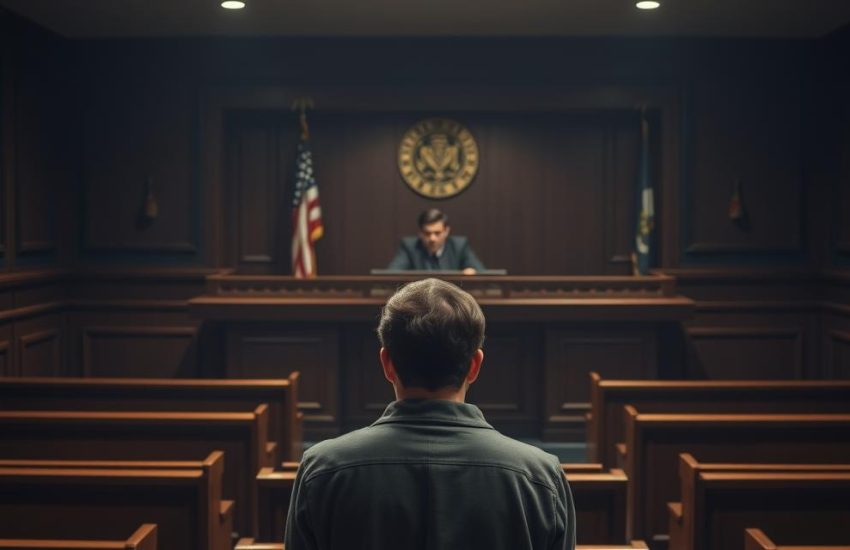

Juvenile Criminal Defense Attorney – Expert Legal Guidance That Protects Your Child’s Future
Juvenile criminal defense attorney services explained simply, with expert insights to help protect your child’s rights and future.
A juvenile criminal defense attorney helps protect minors facing criminal charges, guiding families through juvenile court, defending the child’s rights, and working to secure the best possible outcome for their future.
Juvenile Criminal Defense Attorney: Your Complete Guide To Protecting A Child’s Future ⚖️
Have you ever imagined how overwhelming it would feel if your child was suddenly facing a criminal charge? Most parents freeze, not knowing what comes next or how to shield their child.
The truth is simple: a juvenile criminal defense attorney is essential when a minor is accused of a crime. They defend the child’s rights, guide families through confusing legal steps, and work to protect the child’s future from long-lasting consequences.
Below is a complete, easy-to-read, search-optimized guide to help you understand how juvenile defense works—and what you can do right now to help your child.
What A Juvenile Criminal Defense Attorney Does 🧑⚖️
A juvenile criminal defense attorney focuses on legal cases involving minors under 18. These attorneys understand how juvenile court works, which is very different from adult court. Their main mission is to protect the child’s rights while advocating for the most fair and compassionate outcome.
They also work closely with families, school officials, probation officers, and court programs. Because juvenile cases often aim for rehabilitation, attorneys negotiate strategies that support growth, not punishment.
Understanding Juvenile Crime Charges 🔍
Juvenile charges can range from minor offenses to serious felonies. It’s important to know that the court rarely treats these cases like adult crimes. The system looks at a child’s background, school behavior, and home environment.
Common juvenile offenses include things like shoplifting, vandalism, and simple assault. But some cases involve more serious issues. Whenever a charge involves violence or weapons, an attorney’s role becomes even more critical.
Why Juveniles Are Treated Differently Than Adults 👦➡️👨
The juvenile justice system is built on the idea that kids make mistakes. Courts believe minors have a greater chance to learn and change. Because of this, they emphasize rehabilitation, not harsh punishment.
Judges look at the child’s emotional development, home life, and support system. They want to know if the minor has a community to help them grow. This approach gives young people a second chance, but only if handled correctly by a skilled attorney.
Rights Minors Have During A Juvenile Arrest ⚠️
Even though minors are young, they still have constitutional rights. Many parents don’t know that children are legally allowed to stay silent, ask for an attorney, and avoid answering questions without a guardian.
Police sometimes rely on confusion or fear, which is why having an attorney step in early is so important. Their job is to prevent self-incrimination and ensure the child is treated fairly.
Common Types Of Juvenile Crimes 🚓
Understanding the type of charge helps families prepare for what’s ahead. Here are a few of the most common juvenile offenses:
- Theft and shoplifting
- Underage drinking or drug possession
- Assault or school fights
- Vandalism or property damage
- Truancy or running away
Each case has unique circumstances, and a defense attorney assesses the situation to build a tailored legal strategy.
Comparison Of Minor vs. Serious Juvenile Offenses
| Type of Charge | Example | Legal Impact | Court Priority |
| Minor Offense | Shoplifting | Often diversion | Rehabilitation |
| Moderate Offense | School fight | Probation possible | Safety & support |
| Serious Offense | Armed robbery | Detention risk | Public protection |
The Juvenile Court Process Explained Simply 🏛️
The juvenile court process can feel like a maze, but it usually follows a clear path. First, the child is detained or released to a guardian. Then, the case is reviewed by intake officers who decide if the matter moves forward.
If the court files a petition, the child appears before a judge. A defense attorney can challenge evidence, request evaluations, or push for dismissal. Every step matters because decisions can affect the child long-term.
Role Of Parents During The Legal Process 👨👩👦
Parents play a huge role in juvenile cases. Judges want to see strong family involvement, and attorneys often rely on parents for crucial background about the child.
Your support shows the court that the minor has a stable environment. Parents help gather documents, school records, counseling reports, and character statements. All of this builds a stronger defense.
Why You Should Hire A Juvenile Criminal Defense Attorney ✨
A juvenile case is not something you want to handle alone. These cases carry big consequences—from probation to detention to long-term record issues. An experienced attorney knows how to protect the child at every step.
They can negotiate for dismissal, diversion, or reduced charges. They also understand local judges, prosecutors, and programs. This inside knowledge can dramatically change the outcome.
Key Qualities To Look For In A Juvenile Lawyer 🧠
When choosing an attorney, look for someone who understands youth development and speaks comfortably with teens. A good lawyer builds trust with the child, not just the parent.
You also want someone who has handled similar cases. Ask about their strategy, communication style, and experience in juvenile courts. A compassionate yet strong advocate makes all the difference.
What To Consider When Hiring A Juvenile Attorney
| Quality | Why It Matters | Tip |
| Experience | Knows court rules | Ask for past outcomes |
| Communication | Keeps you informed | Look for quick responses |
| Strategy | Builds a strong defense | Ask about case approach |
Possible Outcomes In Juvenile Criminal Cases 📄
Juvenile courts offer many options outside traditional punishment. A child may enter diversion programs, counseling, community service, or probation. These programs help teach responsibility instead of imposing harsh consequences.
The attorney will push for the least damaging outcome possible. Some cases may even be dismissed if the judge sees improvement or lack of evidence. The goal is always to protect the child’s future.
How Juvenile Records Work And Whether They Can Be Sealed 🔏
Many parents fear that juvenile records will follow their child forever. In many states, juvenile records can be sealed or expunged. This means future schools or employers won’t see them.
However, sealing isn’t automatic. A lawyer helps determine eligibility and guides you through the process. Strong representation increases the chance of a clean slate.
Diversion Programs And Second Chances For Youth 🌱
Diversion programs allow minors to avoid formal court proceedings by completing certain requirements. These programs focus on growth and responsibility.
They may include classes, mentorship, counseling, or community work. When the child completes the program, the charge may be dismissed. Attorneys often fight hard to secure diversion because it offers the best long-term outcome.
How An Attorney Protects A Child’s Future Opportunities 🎓
College admissions, scholarships, job applications, and even housing can be affected by juvenile records. A defense attorney works to prevent long-term consequences.
They push for outcomes that won’t jeopardize future opportunities. Their guidance helps the child stay on track academically and socially.
Effect Of Juvenile Charges On Future Opportunities
| Area Impacted | Possible Effect | Attorney’s Role |
| Education | Trouble with college applications | Seek expungement |
| Employment | Background checks | Protect records |
| Housing | Rental approval issues | Reduce charges |
What To Do If Your Child Is Arrested Today 🚨
If your child is arrested, stay calm. Avoid letting them speak to police without an attorney present. Offer emotional support and avoid panicking in front of them.
Your next step is to hire a juvenile defense lawyer immediately. The earlier they get involved, the better the chances of avoiding serious consequences.
How To Support Your Child Emotionally During The Legal Process 💛
Kids feel fear, shame, and confusion during juvenile cases. They need support, guidance, and reassurance. Keep communication open and remind them that they’re not alone.
Encourage healthy habits, school involvement, and counseling if needed. A child who shows positive change often receives a more favorable outcome in court.
Final Thoughts: Your Child Deserves Strong, Compassionate Legal Protection 🌟
Facing a juvenile charge is scary, but it doesn’t define your child’s future. With the right attorney, the right support, and the right plan, a young person can overcome this challenge and move forward.
The juvenile system is designed to offer second chances. A skilled juvenile criminal defense attorney helps ensure your child gets one.

FAQs
What does a juvenile defense attorney do for minors?
They defend the child’s rights, guide families through the court process, and build strategies to reduce penalties. They also negotiate for diversion and rehabilitation programs. Their goal is to protect the child’s future.
How fast should I contact a juvenile lawyer after arrest?
You should call an attorney immediately after the child is detained. Early legal guidance prevents mistakes during questioning. It also helps shape a stronger defense from the start.
Can juvenile records be erased or sealed later?
Many juvenile records can be sealed or expunged, depending on the state and charge. An attorney helps determine eligibility and files the necessary petitions. Sealing a record can protect future opportunities.
What happens at a juvenile court hearing?
The judge reviews charges, evidence, and the child’s background. Attorneys present arguments, request diversion, and challenge weak evidence. The goal is achieving the best outcome with minimal long-term impact.
Do parents need to attend every juvenile court hearing?
Yes, parents must be involved in hearings and meetings. Their participation shows the court the child has a strong support system. Judges view parental involvement as a sign of stability.