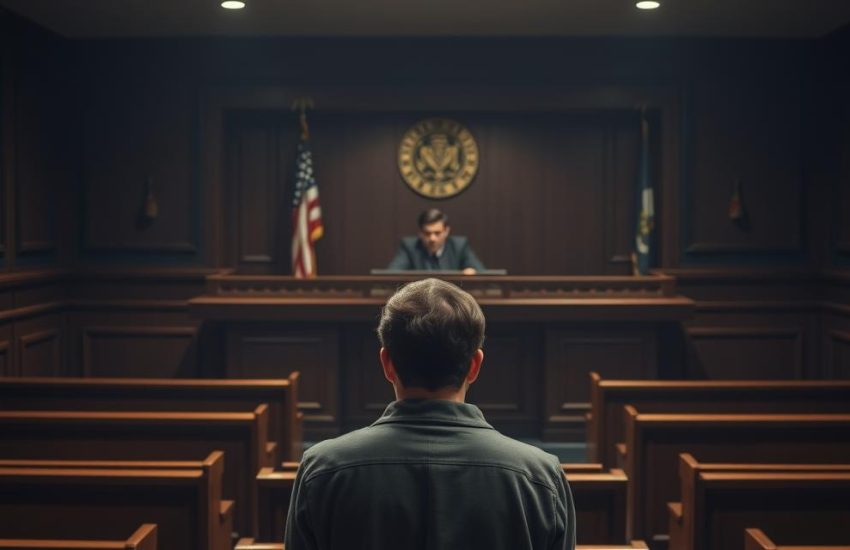

Can a DUI Charge Be Dropped
Discover whether a DUI charge can be dropped with expert insights, defense strategies, and real-life case studies. Learn about key factors, legal grounds, and how to navigate the process effectively.
Introduction
Definition of DUI (Driving Under the Influence)
A DUI, or Driving Under the Influence, refers to the act of operating a motor vehicle while impaired by alcohol or drugs. This impairment can significantly affect one’s ability to drive safely, leading to dangerous situations on the road. The legal definition of a DUI varies by jurisdiction, but it generally involves having a Blood Alcohol Concentration (BAC) above a certain limit, or being impaired by drugs, whether legal or illegal.
Relevance and Importance
A DUI charge is more than just a minor legal infraction; it carries serious implications for one’s personal and professional life. The consequences of a DUI conviction can be severe, ranging from hefty fines and license suspension to potential jail time. Understanding the gravity of a DUI charge and its repercussions is crucial for anyone facing such allegations, as it can affect job prospects, personal relationships, and overall quality of life.
Understanding DUI Charges
What is a DUI Charge?
A DUI charge is a legal accusation that a person was operating a vehicle while impaired by substances such as alcohol or drugs. The impairment must be significant enough to affect the driver’s ability to operate the vehicle safely. In many places, the legal BAC limit is set at 0.08% for non-commercial drivers. However, commercial drivers and those under 21 may face stricter limits. Additionally, impairment by drugs, whether prescription or illegal, can also lead to DUI charges.
Legal Thresholds and Limits
The legal threshold for DUI charges is primarily determined by BAC levels. In most jurisdictions, a BAC of 0.08% or higher is considered legally impaired. However, this threshold can vary for different types of drivers. For instance, commercial drivers may face a limit of 0.04%, and drivers under 21 often face a zero-tolerance policy. Understanding these limits is essential for anyone navigating a DUI charge.
Factors Influencing DUI Charges
Evidence Collection
The collection of evidence in a DUI case is critical. Law enforcement officers use various methods to determine impairment, including field sobriety tests, breathalyzer tests, and blood tests. Each of these methods has its own set of procedures and potential for error. For instance, breathalyzers must be properly calibrated to provide accurate results, and blood tests must be handled correctly to avoid contamination.
Legal Procedures
After a DUI arrest, the legal process begins with booking and an initial court appearance. The arresting officer will provide evidence to support the charge, and the accused will have an opportunity to contest the allegations. It is during this initial phase that many critical decisions are made regarding the defense strategy.
Common DUI Penalties
DUI penalties can vary widely depending on the severity of the offense and the jurisdiction. Common penalties include fines, court fees, license suspension, and possibly jail time. Additionally, offenders may face probation and community service requirements. The specific penalties will depend on factors such as BAC level, prior offenses, and whether the DUI resulted in harm or damage.
Can a DUI Charge Be Dropped?
Understanding the Possibility of Dropping Charges
Dropping DUI charges is not always straightforward, but it is possible under certain circumstances. The decision to drop charges typically hinges on the strength of the evidence and any procedural errors that may have occurred during the arrest or evidence collection. Each case is unique, and the possibility of having charges dropped will depend on various factors.
Key Factors Influencing Whether a DUI Charge Can Be Dropped
Several factors can influence whether a DUI charge can be dropped. These include errors made by law enforcement during the arrest, issues with the evidence collected, and the quality of legal representation. For instance, if evidence was obtained unlawfully or if there were procedural mistakes, these issues could potentially lead to the dismissal of the charges.
Legal Grounds for Dropping DUI Charges
Procedural Errors
Procedural errors are one of the primary grounds for having DUI charges dropped. If the police failed to follow proper procedures during the arrest, such as not advising the suspect of their rights or conducting an illegal search, this could impact the validity of the evidence collected. These errors can sometimes lead to the dismissal of the charges.
Inaccurate or Faulty Testing
Inaccurate or faulty testing is another common reason for dropping DUI charges. Breathalyzer machines and blood tests must be administered and processed correctly to ensure accuracy. Malfunctions or errors in these tests can lead to unreliable results, which may result in the charges being dropped if the defense can demonstrate that the evidence was flawed.
Violation of Rights
A violation of rights, such as not being informed of Miranda rights or conducting an unlawful search, can also be a basis for dropping DUI charges. If the defense can prove that the accused’s rights were violated, it may lead to the dismissal of the charges or suppression of critical evidence.
Defense Strategies for DUI Charges
Hiring a DUI Attorney
Hiring a DUI attorney is a crucial step in defending against DUI charges. A specialized attorney has the expertise and experience necessary to navigate the complexities of DUI cases and challenge the evidence presented. Choosing the right attorney can significantly impact the outcome of the case, making it essential to select someone with a proven track record in handling DUI cases.
Challenging the Evidence
Challenging the evidence presented by the prosecution is a key defense strategy. This can involve questioning the accuracy of breathalyzer results, disputing blood test procedures, and challenging the credibility of police testimony. By undermining the evidence, the defense can create reasonable doubt and potentially lead to a favorable outcome for the accused.
Negotiating Plea Deals
Negotiating plea deals is another strategy that may be employed in DUI cases. A plea deal involves negotiating with the prosecution to reduce the charges or penalties in exchange for a guilty plea. While this may result in lesser penalties, it is important to carefully consider the terms and consult with an attorney to ensure that the deal is in the best interest of the accused.
Attending DUI Classes or Programs
Attending DUI classes or programs can sometimes positively impact the case. These programs demonstrate the accused’s willingness to take responsibility and make amends. Completing such programs may lead to reduced penalties or more favorable terms in a plea deal, and it can also help in demonstrating accountability to the court.
Role of the Court System
Pre-Trial Motions
Pre-trial motions are requests made before the trial begins, often to dismiss or reduce charges. This can include motions to suppress evidence obtained unlawfully or to challenge the legality of the arrest.
Trial Process
The trial process for a DUI case involves several stages, including jury selection, opening statements, presentation of evidence, and closing arguments. During the trial, both the prosecution and defense will present their cases, with the defense aiming to create reasonable doubt about the guilt of the accused. The judge or jury will then deliberate and reach a verdict. Understanding what to expect during this process is crucial for anyone involved in a DUI case, as it can be complex and highly charged.
Post-Trial Actions
After the trial, there are several potential actions that can be taken depending on the outcome. If the verdict is unfavorable, the accused may choose to appeal the decision, seeking a review of the trial proceedings for potential legal errors. Additionally, there may be options for expunging or sealing the criminal record, which can help mitigate the long-term impact of a DUI conviction. It’s essential to consult with a legal expert to explore these options and understand their implications.
Real-Life Examples
Case Studies of DUI Charges Dropped
There are numerous cases where DUI charges have been dropped due to various legal challenges. For example, in one notable case, charges were dropped after it was discovered that the breathalyzer used was not properly calibrated, rendering the results unreliable. Another case saw charges dismissed due to procedural errors during the arrest, such as the failure to properly administer field sobriety tests. These examples highlight how crucial it is to scrutinize every aspect of the DUI charge.
Personal Stories
Personal stories of individuals who have successfully had their DUI charges dropped can provide valuable insight into the process and its potential outcomes. For instance, one individual shared how they were able to have their charges dropped after proving that the blood test results were contaminated. Such stories can offer hope and guidance for others facing similar situations, illustrating the impact of legal representation and evidence challenges.
Expert Insights
Legal Expert Opinions
Legal experts, such as DUI attorneys, often provide valuable insights into the likelihood of having DUI charges dropped. According to DUI defense attorney John Smith, “The chances of having DUI charges dropped depend heavily on the specifics of the case, including procedural errors and the quality of the evidence. A skilled attorney can make a significant difference in navigating these complexities.”
Law Enforcement Perspectives
Law enforcement officers also offer perspectives on the challenges of handling DUI cases. Officer Jane Doe explains, “While we follow strict protocols to ensure accuracy, mistakes can happen. It’s important for the defense to review every detail of the arrest to ensure that evidence was collected properly and that the rights of the accused were upheld.”
Conclusion
In summary, the possibility of dropping DUI charges hinges on several factors, including procedural errors, inaccurate testing, and violations of rights. The strength of the evidence and the effectiveness of legal representation play crucial roles in determining the outcome. By understanding these factors and exploring defense strategies, individuals facing DUI charges can better navigate the legal process and work towards a favorable resolution.
If you or someone you know is facing a DUI charge, seeking experienced legal advice is crucial. An attorney specializing in DUI cases can provide guidance and support, helping to navigate the complexities of the legal system and explore all possible options for reducing or dropping the charges. Don’t hesitate to reach out for professional help to ensure that your rights are protected and that you have the best chance of achieving a favorable outcome.