
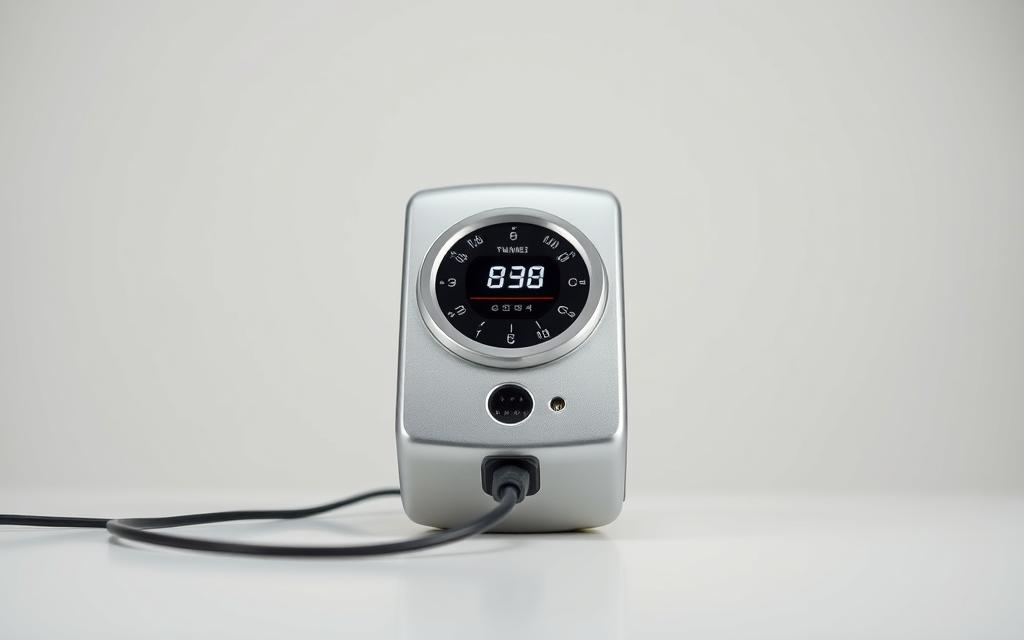
DUI Alcohol Monitoring Device Requirements: Why They Matter
Have you ever thought about how tech changes drunk driving rules? DUI monitoring rules are key to keeping everyone safe. They help cut down on drunk driving in the U.S.
Alcohol monitoring devices are a smart way to fight drunk driving. They help police and courts keep an eye on drivers. This stops drunk driving before it starts.
These rules do more than just punish people. They help drivers make better choices. They also keep communities safe from drunk driving dangers.
Key Takeaways
- DUI monitoring devices are key for public safety
- Technology is big in stopping drunk driving again
- Alcohol monitoring keeps people accountable
- Devices support getting better and staying safe
- Rules change by state and person
Introduction to DUI Alcohol Monitoring Devices
Alcohol monitoring devices have changed how we deal with DUIs. They track and stop alcohol-related crimes. This keeps everyone safe and makes sure people are held accountable.
The first Alcohol Monitoring Devices came out in the late 1990s. In 2003, SCRAM bracelets were introduced. These devices changed how courts and police track alcohol use.
- Track real-time alcohol consumption
- Provide immediate reporting capabilities
- Offer complete monitoring solutions
Now, there are many types of alcohol monitoring devices. They range from small breathalyzers to advanced bracelets. These tools help stop people from driving drunk and keep communities safe.
| Device Type | Monitoring Method | Key Features |
|---|---|---|
| SCRAM Bracelet | Transdermal Alcohol Detection | 24/7 Continuous Monitoring |
| Ignition Interlock | Breath Alcohol Testing | Vehicle Operation Prevention |
| Portable Breathalyzer | Instant Breath Analysis | Immediate Alcohol Level Assessment |
The tech behind Alcohol Monitoring Devices keeps getting better. It’s now more accurate and less invasive. These updates help with both rehab and following the law.
Importance of Alcohol Monitoring in DUI Cases
Alcohol monitoring devices are key in handling DUI cases. They help keep roads safe. These devices change how courts and police deal with alcohol crimes.
These systems do more than just punish. They help stop people from driving drunk again. They protect our communities from harm.
Deterrent Effect on Reoffending
Studies show alcohol monitoring devices really work. They stop people from driving drunk again. Here’s how:
- They make people accountable for their drinking right away.
- They track if someone is drinking too much in real time.
- They make people know they’re always being watched.
A big study found that 81% of people said the device helped them drink less. This shows how well these tools work.
Enhancing Public Safety
DUI monitoring helps make our roads safer. It stops people who have driven drunk before from doing it again. It adds many layers of safety for everyone.
Promoting Accountability
These systems make people take responsibility for their actions. They offer clear rules and help. They turn punishment into a chance to change for the better.
DUI monitoring devices are a smart way to deal with alcohol problems. They help people grow and keep our communities safe.
Types of DUI Alcohol Monitoring Devices
Alcohol monitoring devices help stop people from driving drunk again. They track alcohol use, helping police and courts keep everyone safe.
There are many types of these devices. They work in different ways to stop drunk driving.
Ignition Interlock Devices
An Ignition Interlock is a key tool against drunk driving. It checks if you’ve been drinking before you can start your car. It has important features like:
- Breath analysis before vehicle startup
- Periodic rolling retests while driving
- Immediate reporting of violations
Portable Breathalyzers
Portable breathalyzers are handy for checking alcohol levels. They are used by police and people to see if they’ve been drinking.
- Instant BAC measurement
- Lightweight and portable design
- Digital result tracking
Continuous Transdermal Alcohol Monitors
SCRAM bracelets are advanced devices. They check alcohol through your skin, always watching for drinking.
- 24/7 alcohol level monitoring
- Sampling perspiration every 30 minutes
- Comprehensive reporting mechanisms
Legal Framework Governing Alcohol Monitoring Devices
Understanding DUI device rules is key. These rules help keep our roads safe. They are important for stopping drunk driving in the U.S.
There are many rules for DUI devices. These rules help people stay safe and get help if needed.
Federal Regulatory Standards
Federal rules set basic standards for DUI devices. They make sure devices work well and report data correctly.
- Device accuracy and reliability
- Minimum performance specifications
- Data collection and reporting protocols
State-Specific DUI Laws NJ and Beyond
States like New Jersey have their own rules for DUI devices. DUI Laws NJ are strict. They include:
- Mandatory installation of monitoring devices
- Specific duration of device usage
- Strict compliance verification processes
Court-Ordered Monitoring Programs
Courts use monitoring programs to help people. These programs mix punishment with help for recovery. They aim to stop drunk driving and help people get better.
Monitoring helps lower the chance of drunk driving again. It also helps people behave responsibly.
Eligibility for DUI Monitoring Devices
DUI rules change a lot from place to place. This affects people with different legal histories. Knowing who can use certain devices is key to dealing with DUI penalties.
Courts decide who can use DUI monitoring devices. They look at many things to keep everyone safe and make sure people are responsible.
First-Time Offenders
First-time DUI offenders have different rules. Important things to think about are:
- Blood Alcohol Content (BAC) level at time of arrest
- Jurisdiction-specific legal guidelines
- Court discretion in sentencing
Repeat Offenders
People with DUIs before face tougher rules. The law wants to stop them from driving drunk again.
- Mandatory ignition interlock device installation
- Extended monitoring periods
- More frequent reporting requirements
Prior Conviction Considerations
Prior crimes affect who can use monitoring devices. Judges look at a person’s whole legal history when deciding penalties and monitoring.
In places like Tennessee, first-time offenders with high BAC levels must use GPS-enabled ignition interlocks. This shows how DUI rules vary by area.
Technical Specifications of Monitoring Devices
Alcohol monitoring devices are key in tracking and stopping alcohol-related problems. They use advanced tech to give exact and trustworthy data. Knowing their tech specs helps everyone follow DUI rules well.

Today’s Alcohol Monitoring Devices use the latest tech to track and report alcohol use. They must be very accurate for legal and help reasons.
Accuracy Standards
Being accurate is the main goal of alcohol monitoring tech. DUI rules set strict standards for these systems:
- Detect alcohol in blood to 0.002% BAC
- Have few false positives
- Work well in all kinds of weather
Calibration Requirements
Keeping devices calibrated is key for their reliability. Experts suggest:
- Calibrate devices every month
- Do full checks on them
- Calibrate right away if something goes wrong
Data Reporting Processes
New alcohol monitoring systems send data in real-time and securely. SCRAM systems can spot alcohol in the body very well. They know the difference between alcohol in the body and air around it.
These advanced devices send encrypted data to the right people. This means tracking and alerts for any alcohol use issues right away.
Cost Considerations
Understanding DUI penalties means knowing the costs of alcohol monitoring devices. These devices have their own prices. People need to plan their budgets for these costs during their legal process.
Initial Device Costs
DUI monitoring can be expensive. The cost of alcohol monitoring devices varies:
- Ignition interlock devices cost $75 to $150 for installation
- GPS-enabled systems cost $100 to $125 monthly
- Basic portable breathalyzers start at $50
Monthly Maintenance Fees
There are ongoing costs for DUI monitoring. These include monthly fees for upkeep. Costs range from $50 to $100 a month. This depends on the device’s features and needs.
Financial Assistance Programs
Many places help with DUI monitoring costs. They offer:
- Income-based fee cuts
- Payment plans for devices
- Help from government and nonprofits
People with DUI penalties should check with local courts or probation offices. They can find financial help for device costs.
Installation and Usage Guidelines
Understanding DUI device rules can be hard. Knowing how to install and use ignition interlock devices is key. It helps you follow the rules and get better.
When you get an ignition interlock device, you must follow certain steps. This makes sure it works right and you stay legal.
Device Installation Process
Installing an ignition interlock device takes a few important steps:
- Schedule installation with a certified technician
- Bring the vehicle to an approved service center
- Complete necessary paperwork and documentation
- Let professional technicians install it
User Responsibilities
People with DUI device rules have to do a few things:
- Regular device maintenance
- Scheduled calibration appointments
- Tell authorities about any technical issues
- Always pass the breath test
Handling Device Alerts
Ignition interlock devices give you feedback right away. You need to know how to handle different alerts:
- Get notified right away if you fail a breath test
- Know what legal problems you might face
- Report any device problems
- Tell authorities about any technical issues
To do well with DUI monitoring, you need to pay attention. Be responsible and talk to the people who watch you.
Consequences of Non-Compliance
Understanding DUI penalties is key. Not following alcohol monitoring rules can hurt a lot. DUI Laws NJ are strict and affect your life and legal status.
Ignoring DUI monitoring can lead to big legal problems. People who don’t follow rules face harsh punishments.
Legal Ramifications
Not following rules can lead to big legal troubles. DUI Penalties include:
- Immediate license suspension
- Substantial financial fines
- Potential jail time
- Extended court-mandated monitoring periods
Impact on Sentencing
Courts are very serious about following rules. Breaking them can change your sentence. You might get harsher penalties.
| Violation Type | Potential Consequence |
|---|---|
| First Compliance Violation | 30-day license extension |
| Repeated Violations | 6-month license suspension |
| Deliberate Device Tampering | Potential criminal charges |
Long-Term Consequences
Not following rules has lasting negative impacts. It can make it hard to get a job. You might also pay more for insurance and face driving restrictions.
Remember, alcohol monitoring devices are not just suggestions. They are important for your rehabilitation and safety.
Monitoring and Reporting Requirements
DUI monitoring is key for safety and following rules. Alcohol monitoring devices give courts and police important info. They track how much alcohol someone drinks to stop them from drinking too much again.

The way DUI alcohol monitoring devices report is very important. It helps keep everyone honest and catches any problems early.
Frequency of Data Submission
These devices send data often to keep an eye on things. Here are some times they send data:
- Breath testing devices: Many tests a day
- Continuous transdermal monitors: Sends data right away
- Electronic ankle bracelets: Sends updates every hour
Handling Reporting Errors and Disputes
If there’s a mistake in the reports, there’s a way to fix it. People can:
- Ask for a review of the test results
- Give more information or proof
- Get the device checked
Role of Monitoring Authorities
Probation officers and court supervisors are very important. They look at the data, check if people are following the rules, and suggest what to do if they’re not.
It’s very important to report accurately and talk openly. This makes alcohol monitoring programs work well.
Privacy Concerns with Monitoring Devices
DUI Device Rules make people think about privacy a lot. They use GPS to track people. This makes it hard to balance legal needs and personal privacy.
These devices collect a lot of personal info. This leads to big talks about keeping users safe and handling their data right. People who have to use these devices need to know their rights and what’s being done to protect them.
Data Security Protocols
Keeping personal info safe is very important. To do this, we need strong security steps. These include:
- Encrypted data transmission
- Secure server storage
- Limited access permissions
- Regular security audits
User Consent Requirements
DUI Device Rules say we must tell people about data use. Users need to know:
- What data is collected
- Why it’s tracked
- Who sees the data
- How long it’s kept
Transparency in Data Usage
Being open is key to keep trust. Courts and agencies must explain how data is used. This helps people understand why they’re being monitored.
With strong privacy steps, monitoring devices can respect privacy while meeting legal needs. This makes the system fairer and more effective.
Effectiveness of Monitoring Programs
DUI monitoring programs help a lot. They cut down on repeat offenses and make roads safer. Studies show these programs work well in keeping people from drinking and driving again.
A big study on SCRAM bracelets found amazing results. It showed a huge drop in people drinking and driving again:
- Monitored offenders: 3.5% recidivism rate
- Unmonitored offenders: 24.3% recidivism rate per 1,000 first-time offenders
Studies on Recidivism Rates
The National Highway Traffic Safety Administration did a deep study. It found that places with strict monitoring had fewer repeat offenders.
Participant Feedback
People in these programs often say they’re helped a lot. They say these programs help them see and fix their drinking problems. It gives them a clear way to get better.
Long-Term Success Stories
These programs do more than just monitor. They lead to fewer accidents and better personal responsibility. DUI monitoring devices help people change their ways for good.
Rehabilitation vs. Punishment
DUI penalties are not just about punishment. Today, we focus on helping people change for the better. We want to fix the problems that lead to drunk driving and make sure people are held responsible.
Rehab programs are key to stopping people from driving drunk again. Studies show that with the right, people can avoid driving drunk in the future.
Balancing Accountability with Support
How we deal with DUI has changed. Now, we look at helping people in a new way. This includes:
- Mandatory counseling sessions
- Substance abuse education programs
- Mental health support
- Community reintegration resources
Educational Programs and Resources
Targeted educational initiatives teach people about the dangers of driving drunk. They help people make better choices. These programs include:
- Defensive driving courses
- Alcohol awareness workshops
- Personal responsibility training
Community Support Initiatives
| Support Program | Key Benefits | Success Rate |
|---|---|---|
| Group Counseling | Peer Support | 65% |
| Mentorship Programs | Personal Guidance | 72% |
| Family Counseling | Holistic Approach | 58% |
Community support is vital for success. By mixing tough rules with caring help, we aim to cut down on repeat offenders. We want to help people change their lives for the better.
Future of DUI Alcohol Monitoring
The world of DUI alcohol monitoring is changing fast. New tech and safety worries are leading the way. New ideas are changing how we watch for alcohol use.
New tech is making alcohol tracking better. It’s making it more accurate and reliable.
Technological Innovations
New Alcohol Monitoring Devices are getting smarter. Here are some big changes:
- GPS-enabled ignition interlock devices with real-time tracking
- Wearable transdermal sensors with enhanced accuracy
- Biometric authentication to prevent device tampering
- Cloud-based reporting systems for instant data transmission
Legislative Trends
Lawmakers are updating DUI rules to use new tech. They’re making big changes:
- Expanded mandatory monitoring for repeat offenders
- Stricter compliance requirements
- Integration of advanced tracking technologies
The Role of Advocacy Groups
Advocacy groups are key in improving alcohol monitoring. They push for safety, support rehab, and find better ways to monitor.
They work with lawmakers, tech makers, and cops. Together, they aim to stop alcohol problems.
Common Myths and Misconceptions
Understanding DUI alcohol monitoring can be tough. This is because of all the wrong information out there. Knowing the truth about Ignition Interlock devices and DUI Laws NJ is very important for people facing legal issues.
Many people think wrong things about alcohol monitoring technology. These wrong ideas can lead to big legal problems. They can make things worse for someone’s legal situation.
Misunderstanding Device Limitations
Many think alcohol monitoring devices are simple. But, devices like SCRAM systems can find alcohol amounts as small as 0.02% BAC. This makes it hard to try to trick them.
- Myth: Devices can be easily tricked or manipulated
- Reality: Advanced technology provides precise alcohol detection
- Consequence: Attempts to cheat can result in additional legal penalties
Myths About Legal Consequences
DUI Laws NJ take alcohol monitoring very seriously. Some people think device violations are small problems. But, these violations can cause big legal troubles, like longer monitoring, fines, or even jail time.
Clarifying Public Perception
Ignition Interlock devices are not just to punish. They are tools to help people learn to drive safely. Knowing their real purpose can change how people see them, from bad to good.
- Purpose: Promoting safe driving
- Benefit: Reducing repeat offenses
- Goal: Public safety and individual rehabilitation
Learning the truth is important to clear up wrong ideas about alcohol monitoring technologies.
Conclusion: The Importance of Understanding Requirements
DUI monitoring is key to fighting drunk driving in the U.S. These devices help keep roads safe. They make sure drivers are not drunk.
These tools help lower the risk of accidents. They also help keep everyone safe on the roads.
Drunk driving is a big problem. But, new tech helps track and stop it. This tech helps law and courts make better rules.
It helps stop people from driving drunk again. It also teaches them to drink responsibly.
Encouraging Responsible Choices
People with DUI monitoring must understand its purpose. It’s not just to punish. It’s to help and keep everyone safe.
It’s a chance for personal growth. It teaches the dangers of drunk driving. This helps people make better choices.
Collaborative Safety Approach
Stopping drunk driving takes everyone’s help. Monitoring tech is a big part of this effort. It helps lower the risk of accidents.
It’s not just about the tech. It’s about working together. Everyone must play a role in keeping roads safe.
Looking Forward
As tech and laws get better, DUI monitoring will be even more important. Communities must keep working together.
They need to focus on stopping drunk driving. They should also help those who make mistakes. This keeps everyone safe.