
What Must Be True for an Animal to Be Classified as Legal Game
Why can you hunt deer in one state but face fines for pursuing similar species elsewhere? The answer lies in a complex mix of ecological science, cultural history, and regulatory frameworks that define legal game. These classifications determine which species hunters may pursue – and which remain protected.
State agencies like Wyoming Game & Fish establish categories such as big game (elk, moose) and trophy game (black bears). These designations consider population stability, habitat impact, and traditional hunting practices. For example, wild turkeys transitioned from rare to huntable species through successful conservation programs.
Three primary factors shape these classifications:
- Biological thresholds ensuring species survival
- Historical hunting traditions dating to frontier eras
- Modern ecosystem management strategies
Regulations evolve through wildlife censuses and habitat studies. Hunters fund 60% of state conservation programs through licenses, creating a unique partnership between sportsmen and biologists. This system balances recreational access with species protection.
Key Takeaways
- State agencies designate game species based on population health metrics
- Hunting seasons align with animal breeding cycles and migration patterns
- Permit fees directly fund habitat conservation initiatives
- Cultural traditions influence regional game classifications
- Ethical harvest methods are mandated through equipment restrictions
Understanding Legal Game: Definitions and Regulations
From bison herds to wild turkeys, legal game designations blend biological facts with human stories. These labels determine which animals become managed resources rather than protected species, varying significantly across regions.
Defining Game in the United States
U.S. laws recognize game species through three lenses: ecological impact, population stability, and recreational value. Big game like elk and moose require different permits than small game such as rabbits. States update these lists annually using wildlife censuses.
South Africa takes a contrasting approach. While Americans prioritize deer and bears, African regulations focus on species like springbok and kudu. Both systems share core principles: sustainable harvests and habitat protection.
Historical Context and Cultural Perspectives
Frontier-era hunting traditions shaped modern classifications. Bison nearly vanished from overhunting before gaining protected status. Today’s deer seasons mirror indigenous and colonial practices combined with science.
Cultural views deeply influence regulations. Some regions allow bear hunting as population control, while others ban it entirely. These differences show how people balance tradition with conservation needs across generations.
what must be true for an animal to be classified as legal game – Criteria and Standards
Legal hunting classifications rely on strict ecological and regulatory criteria. Wildlife agencies assess species through biological thresholds and cultural priorities to maintain balanced ecosystems. These evaluations determine which creatures enter managed harvest systems rather than protected status.

Wildlife Conservation and Population Management
Population stability dictates huntability. Red deer herds require 15 adults per square mile before opening seasons. Agencies monitor birth rates and habitat capacity using aerial surveys and tracking collars.
| Species | Minimum Population Threshold | Hunting License Required | Seasonal Restrictions | Meat Yield (lbs) |
|---|---|---|---|---|
| Red Deer | 5,000 | Elk Tag + Base License | Oct 1 – Dec 15 | 180-220 |
| Wild Boar | No Limit* | Feral Swine Permit | Year-Round | 75-130 |
| Moose | 3,200 | Lottery Draw Only | Sep 10 – Nov 5 | 400-600 |
Regulatory Compliance and Licensing Requirements
Hunters face layered rules. Wild boar permits require proof of landowner permission in 22 states. Game deer tags fund 80% of forest restoration projects in regions like the Ozarks.
Meat quality influences decisions. Animals hunted for food must meet USDA processing standards. This ensures minimal waste and safe consumption of venison or boar meat.
International models shape local policies. Africa’s big five management informs U.S. bear and cougar regulations. Both systems prioritize sustainable harvests through size limits and equipment restrictions.
Regulatory Framework and Hunting Laws in the United States
How do hunting regulations balance tradition with modern conservation needs? The U.S. system operates through layered federal and state policies that dictate when, where, and how species like antelope and bighorn sheep may be harvested. Federal laws set baseline protections, while states customize rules based on local ecosystems.
Federal and State Regulations
Federal agencies prohibit night hunting equipment under Section 2005, banning artificial lights and night vision gear. States layer additional restrictions – Wyoming allows antelope tags only during October-November, while Nevada restricts bighorn sheep hunts to specific mountain ranges. Key differences include:
- License types (archery vs. rifle permits)
- Species-specific quotas (2 mule deer per season in Montana)
- Equipment bans (lead ammunition restrictions in California)
Enforcement of Hunting Seasons and Bag Limits
Game wardens use trained dogs to track illegal activity, with fines reaching $500 for migratory bird violations. An article in the Journal of Wildlife Management notes that U.S. bag limits for ducks are 40% stricter than European standards. Hunters must report harvests within 72 hours in 33 states – a system praised by global conservation sources.
Non-compliance risks extend beyond fines. Repeat offenders face permanent license revocation under Section 2001. These frameworks ensure sustainable populations while respecting regional traditions, contrasting with world practices like Africa’s trophy fee systems.
Examples and Considerations for Various Game Species
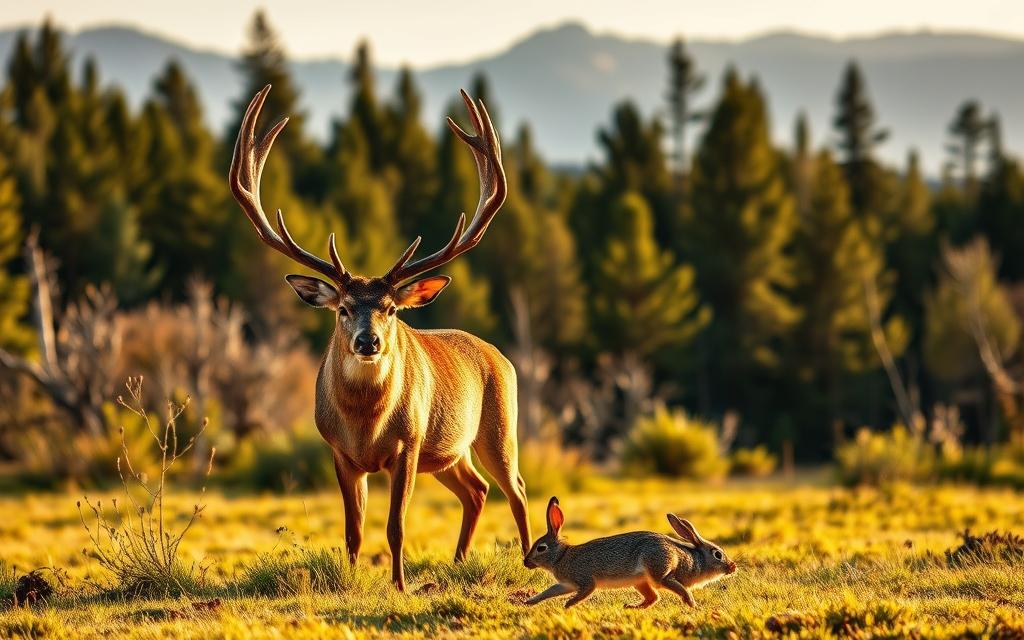
Hunting practices adapt dramatically based on species traits and ecological roles. Big game like moose demand different strategies than small game such as rabbits, with regulations reflecting these biological realities. This division ensures sustainable harvests while protecting delicate ecosystems.
Big Game versus Small Game Distinctions
Moose hunts in Alaska require lottery draws due to low population density, while rabbit seasons often run year-round. Key differences include:
- Permit types: Moose tags cost $800 vs $15 for small game licenses
- Harvest limits: 1 moose per hunter vs unlimited gray squirrels in most states
- Equipment rules: Rifles for big game, .22LR for small species
Case Studies from U.S. Hunting Practices
Wyoming’s moose management shows how weight impacts regulations. Hunters must field-dress 900-pound bulls within 4 hours to prevent meat spoilage. Seasonal restrictions align with rutting periods to minimize ecological disruption.
Feral hogs present contrasting challenges. Texas allows night vision scopes for boar control year-round, as these invasive hogs damage crops. Conservation efforts for African rhinoceros inform U.S. policies, though rhinos remain protected globally.
These examples reveal how wildlife agencies balance tradition, biology, and land use needs across game categories. Proper classification maintains huntable populations while addressing unique ecological pressures.
Conclusion
Effective wildlife management balances ecological needs with human traditions. Sustainable populations rely on three pillars: biological thresholds ensuring species survival, adaptive regulations addressing habitat pressure, and cultural considerations honoring regional practices. From elk to wild turkey, each species’ status reflects ongoing research and enforcement.
Conservation success stories face new challenges. Habitat fragmentation and water scarcity now threaten species recovery alongside traditional issues like overhunting. Climate shifts may alter migration patterns, requiring updated types of management strategies for rodents and large game alike.
Hunters and policymakers share responsibility in this evolving landscape. Strict adherence to bag limits preserves genetic diversity, while license fees fund rock-solid conservation programs. Future regulations must address invasive species decline and urban encroachment with equal rigor.
The legal framework governing game classification remains a dynamic tool. By prioritizing science-based decisions and ethical practices, we ensure thriving ecosystems for generations while maintaining time-honored outdoor traditions.